
- ✓A single-take, low-production truck driver lip sync video reportedly pulled 336 million views on Instagram in August 2026
- ✓The broader trend: absurdist audio bits, tribute carousels, and single-take content are consistently outperforming heavily produced posts this month
- ✓'Raw' doesn't mean 'unoptimized' — the viral single-take videos are still shot in reasonable resolution and load fast, they're just not lit and edited like a commercial
- ✓Skipping production polish is a stylistic choice creators are making deliberately — skipping basic file optimization is a mistake regardless of style
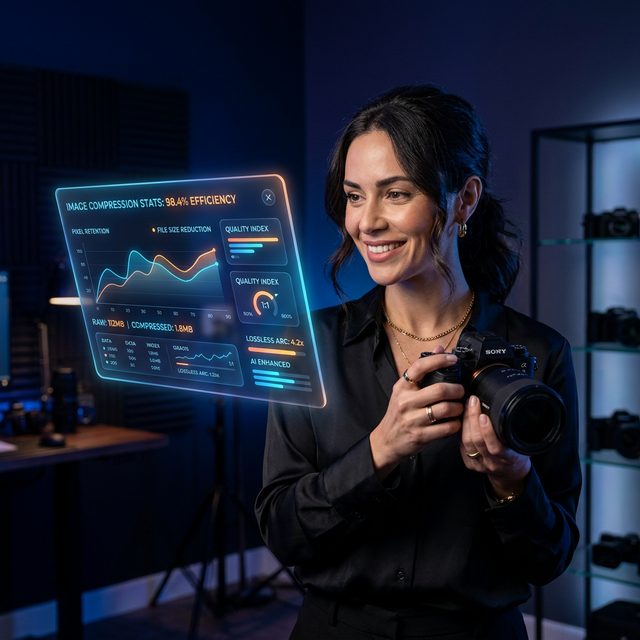
A single-take truck driver lip sync video pulled a reported 336 million views on Instagram this August — and it's not an outlier, it's the clearest example of a real shift happening across the platform right now toward low-production, conversational content consistently beating out the polished, heavily edited posts that dominated a couple of years ago. Alongside absurdist audio formats and tribute carousels, the pattern is consistent: single-take, lightly staged content is winning attention that a studio-lit product shot or a multi-cut edited Reel used to command. That's a real creative shift, and it's easy to misread as "quality doesn't matter anymore." It doesn't mean that — it means a different kind of quality took over.
What "Raw" Actually Means Here — and What It Doesn't
The viral single-take format isn't badly shot. It's unstaged, unedited into multiple cuts, and stripped of the visible production value that signals "this was made by a brand" — no ring light, no color grade, no scripted multi-angle sequence. What it isn't is technically sloppy. The 336-million-view truck driver video is still in focus, still loads without stuttering, still readable at whatever resolution a viewer's phone renders it at. The "raw" quality that's resonating is about spontaneity and authenticity of moment, not about the file itself being poorly made. Conflating the two is the mistake creators and brands are making right now when they try to chase this trend by genuinely lowering their technical bar instead of just lowering their production bar.
Those are different things. A phone video shot handheld, single take, no script — that's low production, and it's what's working. A phone video shot at low resolution, badly compressed, choppy to load — that's low quality, and it still underperforms regardless of how "authentic" the content is, because a video that stutters or takes too long to load loses viewers before the format even gets a chance to land.
Why This Actually Raises the Bar for File Handling, Not Lowers It
Here's the counterintuitive part: content that looks unedited and effortless has to be technically flawless in the ways that don't show, because there's no production polish left to distract from a technical problem. A heavily edited, color-graded post can absorb a slightly soft file — the overall production value carries it. A single-take, no-frills video has nowhere to hide a slow-loading, over-compressed, or badly formatted file; the format itself is the entire point, so any friction in how it loads or plays undercuts the exact thing that was supposed to make it feel effortless.
This is the same principle that's always applied to product photography and e-commerce images, just showing up now in a different content category: the more "natural" or "unstaged" something is supposed to look, the more the underlying technical execution has to be invisible and correct. A viewer scrolling past a stuttering video doesn't register "authentic, low-production" — they register "this is taking too long to load" and move on before the format ever gets a chance to work.
What This Means for Anyone Actually Trying to Ride the Trend
- Shoot in your phone's default resolution — you don't need a production setup, but don't sabotage yourself with a low-quality capture setting either.
- Compress before posting if you're pulling footage off a different device or an older phone. A file that's technically fine but oversized still loads slowly on the platform side — compressing video and photo files before upload keeps load times fast without adding back any of the production polish the trend is deliberately avoiding.
- Don't confuse "unedited" with "unformatted." Match your export to what the platform actually displays well — an unusual aspect ratio or an unsupported format gets auto-converted by the platform anyway, usually worse than if you'd exported correctly to begin with.
- If you're archiving your own best-performing raw content, do it properly — a viral moment is worth keeping at a quality that holds up later, even if the version you posted was intentionally unpolished.
The Trend Will Pass; the Underlying Lesson Won't
Platform content trends cycle constantly — heavily produced content will have its moment again, the way it always eventually does. What doesn't cycle is the basic technical floor underneath any format: a post that loads slowly or looks broken loses viewers regardless of what's currently fashionable. Chase the raw, single-take aesthetic if it fits your content — just don't mistake it for permission to skip the file handling that makes any post actually work once someone's thumb stops scrolling.
Continue reading
Try Optimage — it's free
Compress, convert, and optimize images in seconds. No sign-up, no limits.
Start Optimizing Free